
Most people want to know how to breathe in specific situations—for example, while running or feeling stressed. However, if your breathing mechanics aren’t correct—meaning you’re not using the right muscles to breathe—your breathing will be inefficient, no matter what pattern you use.
First, forget about breathing for specific situations. Focus on fixing the mechanics, and everything else will normalise itself. Once you do, you’ll be surprised how easily you handle stressful situations without needing any special technique or breathing pattern. Of course, it takes time and practice.
What Are “Breathing Mechanics”?
In simple terms: how to breathe correctly, using the right muscles to breathe and accessing the best part of your lungs.
Your lungs do nothing on their own. They require muscles in order to function. Our breathing muscles are responsible for bringing the air in and out. They are categorised into two groups:
- Primary muscles — located lower in the torso—Diaphragm, Intercostals, Abs, and Obliques.
- Secondary muscles — located higher up in the body—chest, neck, and shoulders.
Most people today are “vertical breathers,” meaning they are using secondary breathing muscles instead of the primary. Their roles should never be reversed. The goal is to unbrace our middles and activate our primary breathing muscles.
These are the steps of fixing your breathing mechanics:
1. How you breathe.
We’ll look at where the movement is happening in your body while you breathe. Is your upper chest moving, accessing only the smallest part of your lungs? Or is the movement happening in the middle part of your body, where the diaphragm is located? Read the article about the diaphragm here.
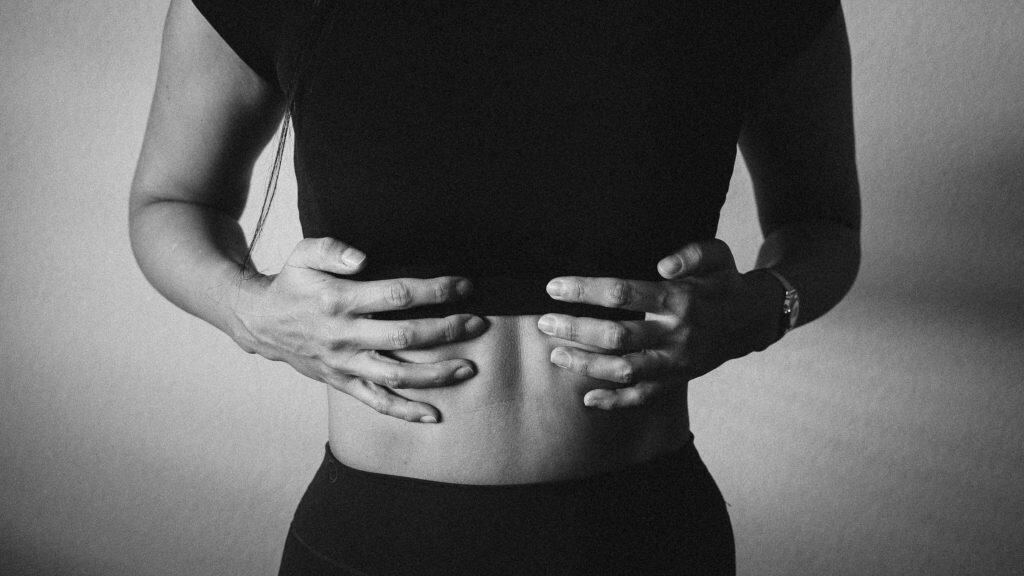
2. Getting to know your body.
We’ll explain the two breathing styles—vertical and horizontal—and introduce you to the diaphragm, your most important breathing muscle.
3. Learning the BELLY BREATH.
Belly breath teaches your diaphragm to get activated. Because you can’t go from vertical breathing (using your chest) to horizontal breathing in one step, we first learn to take a belly breath to unbrace our middle.
4. Practices
You’ll learn a few exercises that help you breathe the way you were designed to—the way you once did naturally. These exercises take just 5–10 minutes of daily practice over two weeks.
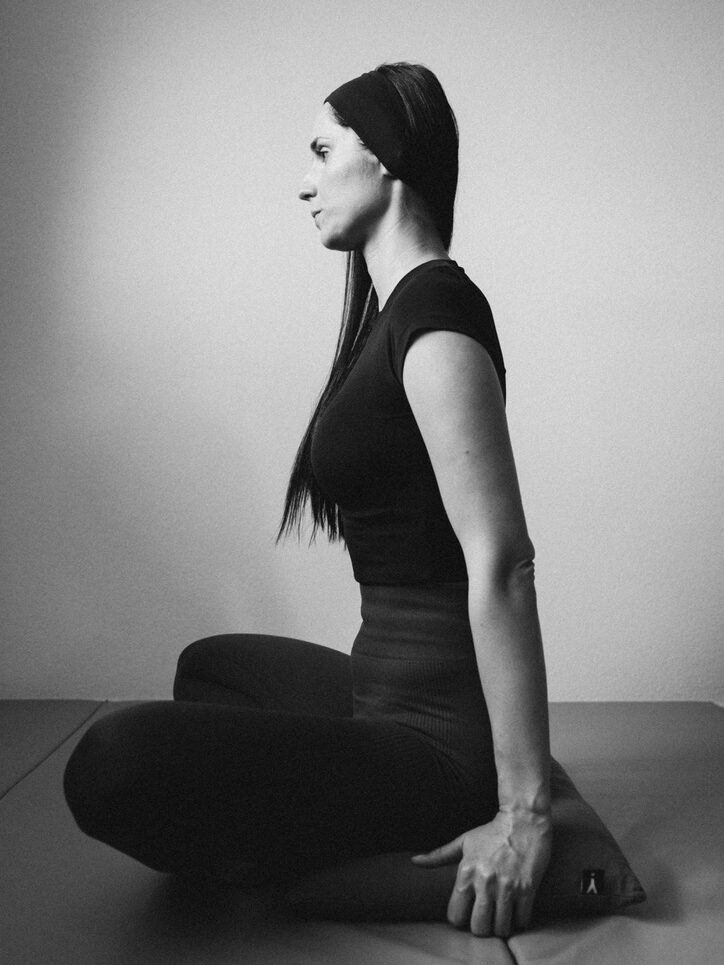
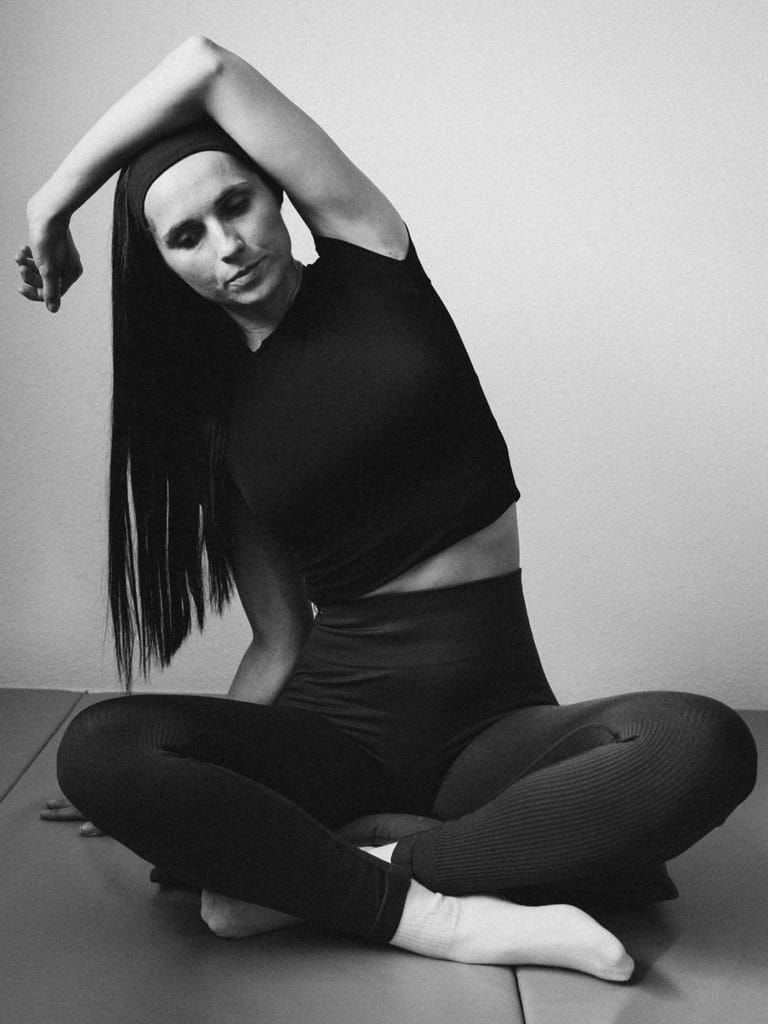
These steps ensure proper breathing mechanics, helping you breathe the way your body was designed to.
If you’re a “vertical breather” and want a step-by-step plan to activate your primary muscles, my Learn How to Breathe Correctly: 4-Week Workbook is the self-paced version of my private coaching.
Leave a Reply